


Face Sunscreen
Face sunscreen is an essential part of any skincare routine, playing a crucial role in protecting the skin from the harmful effects of ultraviolet (UV) rays.
Daily use of face sunscreen helps prevent premature ageing, sunburn, hyperpigmentation, and the risk of skin cancer, making it one of the most important steps in maintaining healthy skin.
WHY FACE SUNSCREEN IS IMPORTANT
The skin on your face is thinner and more delicate than the rest of your body, making it more susceptible to damage from UV exposure. UVA and UVB rays can penetrate the skin, leading to immediate damage such as sunburn and long-term effects like wrinkles, fine lines, and dark spots. UV exposure is also the leading cause of skin cancer, including dangerous forms like melanoma. By applying face sunscreen every day, you can protect your skin from these harmful effects and ensure that it remains healthy and youthful over time.
BENEFITS OF USING FACE SUNSCREEN
-
Prevents Premature Ageing: One of the most significant benefits of using face sunscreen is its ability to prevent the signs of premature ageing. Sunscreen acts as a barrier against UV damage, helping to preserve collagen and elastin and maintain youthful, smooth skin.
-
Reduces the Risk of Skin Cancer: Regular use of face sunscreen significantly reduces your risk of developing skin cancer. By wearing sunscreen every day, even on cloudy days or while indoors near windows, you’re taking a proactive step in protecting your skin’s long-term health.
-
Prevents Hyperpigmentation and Dark Spots: Exposure to UV rays can trigger the production of melanin, leading to hyperpigmentation or dark spots on the face. Wearing sunscreen daily helps prevent the formation of new dark spots and can also improve the appearance of existing ones by shielding your skin from further UV exposure.
-
Hydration and Protection: Many face sunscreens are formulated with added benefits such as hydration and antioxidants. Modern sunscreens often include ingredients like hyaluronic acid, glycerin, or ceramides, which keep the skin hydrated throughout the day. Others are enriched with antioxidants like vitamin C or E, which help neutralise free radicals generated by UV exposure, providing an extra layer of protection against environmental damage.
HOW TO CHOOSE THE RIGHT FACE SUNSCREEN
Selecting the right face sunscreen depends on your skin type and personal preferences:
-
For Oily or Acne-Prone Skin: Opt for oil-free, non-comedogenic sunscreens that won’t clog pores or cause breakouts. Gel-based or lightweight formulas often work well for oily skin.
-
For Dry Skin: Choose sunscreens with hydrating ingredients such as hyaluronic acid or glycerin. Cream-based sunscreens provide extra moisture and can help keep dry skin nourished throughout the day.
-
For Sensitive Skin: Look for sunscreens that contain mineral (physical) blockers like zinc oxide or titanium dioxide, which are gentler on sensitive skin. Avoid sunscreens with fragrance or harsh chemicals that could cause irritation.
For a detailed guide on how to select the best sunscreen protection for face, including SPF levels, key ingredients, and dermatologist-approved recommendations, check out our blog.
Face sunscreen is a critical step in any skincare routine, offering essential protection against the damaging effects of the sun. By using it daily, you can prevent premature ageing, reduce the risk of skin cancer, and maintain an even, healthy complexion. With so many options available, it's easy to find a formula that works for your skin type and lifestyle, ensuring that you stay protected every day, no matter the season or weather.
Face sunscreen is an essential part of any skincare routine, playing a crucial role in protecting the skin from the harmful effects of ultraviolet (UV) rays.
Daily use of face sunscreen helps prevent premature ageing, sunburn, hyperpigmentation, and the risk of skin cancer, making it one of the most important steps in maintaining healthy skin.
WHY FACE SUNSCREEN IS IMPORTANT
The skin on your face is thinner and more delicate than the rest of your body, making it more susceptible to damage from UV exposure. UVA and UVB rays can penetrate the skin, leading to immediate damage such as sunburn and long-term effects like wrinkles, fine lines, and dark spots. UV exposure is also the leading cause of skin cancer, including dangerous forms like melanoma. By applying face sunscreen every day, you can protect your skin from these harmful effects and ensure that it remains healthy and youthful over time.
BENEFITS OF USING FACE SUNSCREEN
-
Prevents Premature Ageing: One of the most significant benefits of using face sunscreen is its ability to prevent the signs of premature ageing. Sunscreen acts as a barrier against UV damage, helping to preserve collagen and elastin and maintain youthful, smooth skin.
-
Reduces the Risk of Skin Cancer: Regular use of face sunscreen significantly reduces your risk of developing skin cancer. By wearing sunscreen every day, even on cloudy days or while indoors near windows, you’re taking a proactive step in protecting your skin’s long-term health.
-
Prevents Hyperpigmentation and Dark Spots: Exposure to UV rays can trigger the production of melanin, leading to hyperpigmentation or dark spots on the face. Wearing sunscreen daily helps prevent the formation of new dark spots and can also improve the appearance of existing ones by shielding your skin from further UV exposure.
-
Hydration and Protection: Many face sunscreens are formulated with added benefits such as hydration and antioxidants. Modern sunscreens often include ingredients like hyaluronic acid, glycerin, or ceramides, which keep the skin hydrated throughout the day. Others are enriched with antioxidants like vitamin C or E, which help neutralise free radicals generated by UV exposure, providing an extra layer of protection against environmental damage.
HOW TO CHOOSE THE RIGHT FACE SUNSCREEN
Selecting the right face sunscreen depends on your skin type and personal preferences:
-
For Oily or Acne-Prone Skin: Opt for oil-free, non-comedogenic sunscreens that won’t clog pores or cause breakouts. Gel-based or lightweight formulas often work well for oily skin.
-
For Dry Skin: Choose sunscreens with hydrating ingredients such as hyaluronic acid or glycerin. Cream-based sunscreens provide extra moisture and can help keep dry skin nourished throughout the day.
-
For Sensitive Skin: Look for sunscreens that contain mineral (physical) blockers like zinc oxide or titanium dioxide, which are gentler on sensitive skin. Avoid sunscreens with fragrance or harsh chemicals that could cause irritation.
For a detailed guide on how to select the best sunscreen protection for face, including SPF levels, key ingredients, and dermatologist-approved recommendations, check out our blog.
Face sunscreen is a critical step in any skincare routine, offering essential protection against the damaging effects of the sun. By using it daily, you can prevent premature ageing, reduce the risk of skin cancer, and maintain an even, healthy complexion. With so many options available, it's easy to find a formula that works for your skin type and lifestyle, ensuring that you stay protected every day, no matter the season or weather.
-
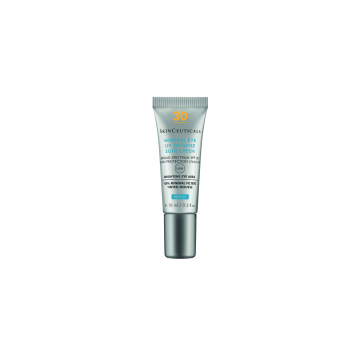 Out of stock

