


Dark spots and uneven skin tone can feel like stubborn reminders of past breakouts, sun exposure, or hormonal changes—but achieving clear, radiant skin is more possible than ever with the right approach. Whether you're struggling with melasma, sunspots, or post-inflammatory hyperpigmentation, the key lies in understanding what causes these issues and how to treat them effectively. In this comprehensive guide, we’ll uncover the science behind discolouration, explore lifestyle triggers that may be sabotaging your progress, and spotlight the most powerful skincare ingredients and treatments proven to restore clarity and brightness. Ready to reclaim your glow? Let’s dive into the skincare secrets that truly transform.
Understanding Skin Discolouration and Dark Spots
What Causes Skin Discolouration and Hyperpigmentation
Skin discolouration occurs when an overproduction or uneven distribution of melanin—the pigment responsible for skin colour—leads to patches that appear darker than the surrounding skin. Hyperpigmentation can be triggered by numerous factors, including inflammation, hormonal changes, sun exposure, and skin trauma. These disruptions in melanin production can manifest in subtle freckling or more pronounced blotches and spots.
How Melanin Production Affects Skin Tone
Melanin is synthesised by melanocytes through a process known as melanogenesis. Triggered by UV light, inflammation, or hormonal signals, these melanocytes distribute pigment to surrounding skin cells. The intensity and depth of colour depend on both melanin concentration and distribution. When this process is disrupted, it results in irregular skin tone and visible discolouration.
Why Some Skin Types Are More Prone to Discolouration
Fitzpatrick skin types IV to VI are naturally more susceptible to post-inflammatory hyperpigmentation due to their higher melanin content. These skin types are more reactive to inflammation or injury, making even minor breakouts or abrasions potential triggers for lingering dark marks. Genetics, ethnicity, and underlying skin conditions all play a role in how pigmentation manifests and resolves.
The Difference Between Dark Spots, Sunspots, and Melasma
- Dark Spots (Age Spots or Liver Spots): are caused by cumulative sun exposure over time and often appear as flat, brown, or black spots on sun-exposed areas.
- Sunspots (Solar Lentigines): are specifically triggered by UV radiation. They commonly develop on the face, hands, and shoulders and are typically more prominent in older adults or those with frequent sun exposure.
- Melasma: are primarily driven by hormonal changes (e.g., pregnancy, birth control, hormonal therapy). They appears as symmetrical patches, usually on the cheeks, forehead, and upper lip and are more common in women and people with darker skin tones.
Unlike temporary blemishes, all these pigmentation types require targeted and consistent skincare interventions for effective management.
Lifestyle Triggers That Worsen Discolouration and Dark Spots
The Role of UV Exposure, Pollution, and Inflammation
Chronic sun exposure is the most significant contributor to pigmentation disorders. Ultraviolet radiation activates melanocytes, intensifying melanin production and worsening existing spots. Pollution compounds this issue by increasing oxidative stress and inflammation in the skin. Additionally, inflammatory skin conditions like acne or eczema can leave behind pigmented remnants long after the flare has subsided.
Hormonal Changes, Stress, and Post-Inflammatory Hyperpigmentation
Fluctuations in estrogen and progesterone, particularly during pregnancy or from contraceptive use, can induce melasma. Stress elevates cortisol levels, which may indirectly stimulate pigment production and impair skin barrier function. Post-inflammatory hyperpigmentation (PIH) follows trauma, including acne lesions or aggressive cosmetic procedures, leaving dark residual patches that persist unless properly treated.
Power Ingredients That Fight Dark Spots and Uneven Skin Tone
Vitamin C: Brightening and Antioxidant Protection
Vitamin C, particularly in its most potent form—ascorbic acid—is a powerhouse ingredient in modern skincare. Celebrated for its ability to revive dull, uneven skin, it offers both corrective and preventative benefits, making it a staple for those targeting hyperpigmentation and sun damage.
Key benefits include:
- Brightening the Complexion: Vitamin C helps reduce dullness by promoting a more radiant, even skin tone. It gently fades existing discolouration, including dark spots and sun-induced pigmentation.
- Antioxidant Defence: As a potent antioxidant, vitamin C neutralises free radicals caused by UV exposure, pollution, and other environmental stressors. This helps prevent oxidative stress, which contributes to skin ageing and inflammation.
- Inhibition of Melanin Production: Vitamin C interferes with melanin synthesis by blocking the action of tyrosinase—an enzyme necessary for pigment formation. This reduces the development of new dark spots over time.
- Support for Collagen Production: It also plays a role in collagen synthesis, helping improve skin firmness and texture.
When incorporated into a consistent skincare routine, vitamin C can soften the appearance of sunspots, support a smoother complexion, and enhance the skin’s natural glow.
Niacinamide: A Multi-Tasking Skin Tone Corrector
Niacinamide, also known as vitamin B3, is a clinically backed, multitasking ingredient that offers a wide range of skin benefits—particularly in correcting uneven skin tone and improving overall skin health. Its gentle nature and versatility make it a go-to choice in many pigment-correcting and anti-ageing formulations.
Key benefits include:
- Brightening Hyperpigmentation: Niacinamide helps reduce dark spots and uneven tone by inhibiting the transfer of melanin from melanocytes to skin cells (keratinocytes). This makes it effective in treating sunspots, post-inflammatory hyperpigmentation, and melasma.
- Strengthening the Skin Barrier: It boosts the skin’s natural barrier by stimulating the production of ceramides, which helps retain moisture and protect against environmental damage. A stronger barrier results in healthier, more resilient skin.
- Reducing Inflammation and Redness: Niacinamide has anti-inflammatory properties, making it beneficial for those with acne, rosacea, or sensitive skin. It calms irritation and soothes redness, supporting a more even and clear complexion.
- Well-Tolerated by Most Skin Types: Unlike some other active ingredients, niacinamide is non-irritating and works well alongside other treatments like vitamin C and retinoids.
Incorporating niacinamide into your daily regimen can lead to visibly brighter, smoother, and healthier-looking skin over time.
Alpha Arbutin and Kojic Acid: Gentle Yet Effective Lighteners
When it comes to brightening skin safely and effectively, alpha arbutin and kojic acid are standout ingredients known for their ability to target stubborn discolouration without the harsh side effects often associated with stronger actives.
- Alpha Arbutin: A naturally derived compound from the bearberry plant which inhibits tyrosinase, the enzyme responsible for melanin production, and gently fades dark spots, age spots, and uneven patches without causing irritation or dryness.
- Kojic Acid: A natural byproduct of rice fermentation that also works by inhibiting tyrosinase activity, effectively reducing the formation of excess pigment. It is especially effective for treating melasma and post-inflammatory hyperpigmentation (PIH).
Together, alpha arbutin and kojic acid offer a balanced approach to skin brightening—powerful enough to deliver visible results, yet gentle enough for daily use.
Retinoids: Encouraging Cellular Turnover for Clearer Skin
Retinoids, such as retinol and prescription-strength tretinoin, are powerful skincare ingredients known for their ability to accelerate cellular turnover. By encouraging the shedding of pigmented, damaged skin cells, retinoids help reveal fresher, more evenly toned skin underneath. Over time, this process visibly reduces dark spots, sun damage, and uneven texture. In addition to their brightening effects, retinoids stimulate collagen production, improving skin firmness and elasticity. They also help regulate sebum production, making them particularly beneficial for those with acne-prone or oily skin. When used consistently and carefully, retinoids offer a multifaceted approach to treating discolouration, signs of ageing, and breakouts.
AHAs and BHAs: Chemical Exfoliants That Promote Even Skin Texture
Alpha hydroxy acids (like glycolic and lactic acid) dissolve the bonds between dead skin cells on the surface, unveiling brighter skin underneath. Beta hydroxy acids (such as salicylic acid) penetrate deeper, unclogging pores and calming inflamed skin. Regular use of these acids can accelerate the fading of dark spots and improve overall texture.
Daily Skincare Routine to Combat Discolouration and Dark Spots
Morning Regimen: Protection, Hydration, and Brightening
An effective morning skincare routine plays a crucial role in preventing and treating discolouration while supporting a more even, radiant complexion. The goal is to protect the skin from environmental aggressors, hydrate, and deliver brightening actives that work throughout the day.
- Start with a gentle cleanser: Use a mild, non-stripping cleanser to remove overnight oil build-up and prepare the skin for active ingredients.
- Apply a vitamin C serum: This powerful antioxidant brightens dull skin, helps fade dark spots, and provides protection against oxidative stress from pollution and UV exposure.
- Layer a brightening serum: Incorporate ingredients like niacinamide, alpha arbutin, or kojic acid to target uneven tone and suppress melanin production.
- Follow with a hydrating moisturiser: Choose a lightweight yet nourishing formula to lock in moisture and support the skin barrier.
- Finish with broad-spectrum sunscreen (SPF 30 or higher): This is the most essential step to prevent UV-induced pigmentation and maintain the results of your brightening efforts.
Evening Regimen: Repair, Renewal, and Deep Treatment
Your evening skincare routine is the perfect time to focus on deep repair and targeted treatment. As the skin undergoes its natural regeneration process at night, incorporating the right ingredients can significantly enhance results, especially when addressing pigmentation and dark spots.
- Begin with a gentle cleanser: Remove makeup, sunscreen, and impurities without stripping the skin to prepare for treatment products.
- Apply a retinoid or exfoliating acid serum: Use ingredients like retinol, tretinoin, glycolic acid, or lactic acid to boost cell turnover and fade pigmented spots. These actives help reveal brighter, more even-toned skin over time.
- Alternate with hydrating and reparative ingredients: On nights when exfoliants are not used, apply serums with peptides or hyaluronic acid to support skin repair and hydration.
- Finish with a nourishing moisturiser: Opt for a richer formula to seal in active ingredients and help restore the skin’s moisture barrier overnight.
This balanced approach promotes clearer, healthier skin while minimising irritation from active treatments.
Advanced Treatments That Deliver Visible Results
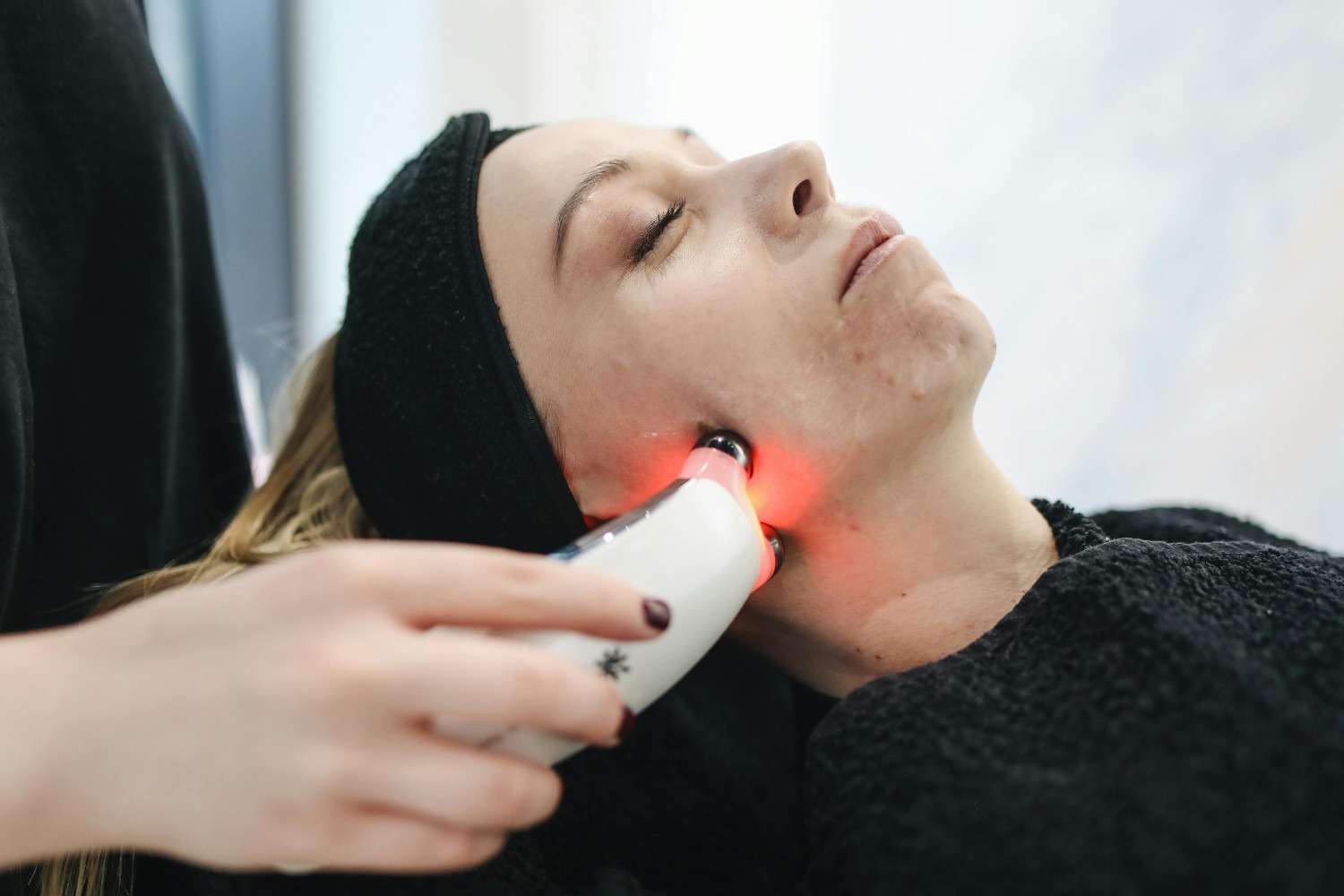

Chemical Peels: Professional Exfoliation for Stubborn Pigmentation
Administered by dermatologists or aestheticians, chemical peels use acids like TCA, glycolic, or salicylic acid to strip away pigmented layers of skin. Depending on depth, peels can address mild to severe hyperpigmentation, though downtime and recovery must be considered.
Laser Therapy and IPL: High-Tech Solutions for Deep Discolouration
Fractional lasers and intense pulsed light (IPL) treatments target melanin clusters beneath the skin’s surface, breaking them apart so they fade over time. These procedures offer dramatic improvement but require multiple sessions and diligent post-care to prevent rebound pigmentation.
Microneedling and Microdermabrasion: Stimulating Skin Renewal
Microneedling triggers collagen production and allows serums to penetrate more effectively. Microdermabrasion mechanically exfoliates the outer skin layers, smoothing texture and promoting clarity. Both can be tailored to pigmentation concerns and paired with brightening agents for enhanced results.
Sun Protection: Your First Line of Defence Against Dark Spots
Consistent sun protection is arguably the most critical step in any skincare regimen aimed at treating or preventing discolouration. Without it, even the most advanced brightening ingredients will struggle to deliver results. Sun exposure—whether direct or indirect—triggers melanocyte activity, increasing the likelihood of developing dark spots and worsening existing pigmentation.
Broad-Spectrum SPF: Why It’s Non-Negotiable
Broad-spectrum sunscreen is essential because it shields the skin from both UVB rays, which cause sunburn, and UVA rays, which penetrate deeper and accelerate skin aging and pigmentation. Applying a broad-spectrum SPF of 30 or higher every morning, regardless of weather or whether you’re staying indoors, helps preserve the efficacy of treatment products and prevents new spots from forming. It’s not just about sun exposure at the beach—it’s the cumulative effect of daily exposure that makes SPF non-negotiable.
How Blue Light and Indoor Exposure Also Contribute to Pigmentation
Many people are unaware that blue light emitted from digital screens—computers, phones, and tablets—can also impact skin health. This high-energy visible light can penetrate the skin deeply and contribute to hyperpigmentation over time. To combat this, look for sunscreens containing iron oxides or antioxidants, which help provide added protection against these modern-day environmental stressors.
Nutrition and Hydration for Radiant, Even Skin
Foods That Promote Skin Clarity and Reduce Inflammation
A diet rich in omega-3 fatty acids, antioxidants, and vitamins A, C, and E supports skin healing and pigment regulation. Incorporate berries, leafy greens, fatty fish, and nuts to help reduce internal inflammation that can exacerbate discolouration.
The Impact of Hydration on Skin Healing and Tone Balance
Well-hydrated skin is more resilient and capable of self-repair. Adequate water intake and the use of humectants like hyaluronic acid improve elasticity, reduce flakiness, and support the gradual fading of dark spots.
Myths and Misconceptions About Treating Dark Spots
Why Natural Remedies Aren’t Always Safe or Effective
DIY treatments like lemon juice or baking soda can disrupt skin pH and cause chemical burns. Natural doesn’t always mean gentle or effective. Professional-grade formulations undergo rigorous testing to ensure safety and efficacy—something home-made masks often lack.
The Truth About Quick Fixes and Overnight Solutions
Pigmentation didn’t appear overnight and it won’t vanish overnight. Products promising instant results often contain harsh ingredients that may damage the skin. Sustainable improvement requires patience, consistency, and a multi-pronged approach.
Conclusion: A Brighter, More Even Complexion Starts Today
Addressing skin discolouration and dark spots is not about quick fixes or miracle products—it’s about understanding your skin’s unique needs and committing to a consistent, well-rounded regimen. With the right blend of targeted ingredients like vitamin C, niacinamide, retinoids, and gentle lighteners, combined with diligent sun protection and lifestyle mindfulness, noticeable improvement is within reach. Whether you’re managing melasma, sunspots, or post-inflammatory hyperpigmentation, treating uneven tone requires a balance of patience, science-backed ingredients, and often, professional guidance. Remember, skin transformation is a journey, not a race. By prioritising your skin’s health, being kind to your complexion, and staying dedicated to your routine, you’ll not only fade existing pigmentation but also cultivate a brighter, smoother, and more radiant future for your skin.