


Acne is one of the most common skin concerns, affecting millions of people worldwide. Beyond its physical appearance, it can impact self-confidence, emotional well-being, and even daily routines. While occasional pimples are normal, persistent acne or visible scars can be frustrating and difficult to manage. The good news is that achieving clearer, healthier skin is possible with the right combination of acne prevention, breakout management, and scar treatment strategies.
This comprehensive guide explores science-backed solutions and modern acne treatments designed to address both mild and severe cases. You’ll learn how to build an effective daily routine, target active breakouts, fade post-acne marks, and adopt lifestyle habits that support long-term skin health. By understanding the underlying causes of acne and implementing proven techniques, you can reduce flare-ups, improve skin texture, and regain confidence in your complexion.
Understanding Acne: Causes and Triggers
Before you can effectively treat acne, it’s essential to understand what causes it. At its core, acne is an inflammatory condition that affects the hair follicles and oil (sebaceous) glands. When excess oil combines with dead skin cells, pores become clogged, creating an ideal environment for acne-causing bacteria to thrive. This process can result in a variety of blemishes, including pimples, blackheads, whiteheads, and even deeper cysts. While acne is common, its severity and triggers vary widely from person to person.
Common Triggers That Contribute to Acne Formation
Several factors can trigger or worsen acne:
- Hormonal shifts are one of the most significant causes. Changes during puberty, menstrual cycles, pregnancy, or periods of stress can lead to hormonal acne, often appearing along the jawline and chin.
- Another factor is excess sebum production; some individuals naturally produce more oil, increasing the likelihood of clogged pores and flare-ups.
- Diet can also play a role. High-glycemic foods, processed sugars, and certain dairy products may exacerbate acne in sensitive individuals. Following a balanced diet for clear skin—rich in vegetables, lean proteins, and whole grains—can help manage breakouts.
- Finally, genetics play a significant role in acne susceptibility. Research indicates that individuals with a family history of persistent acne are more likely to develop the condition themselves
Understanding which of these triggers are relevant to your skin is crucial, as it helps you tailor your prevention and treatment strategies effectively. By identifying the root causes, you can make informed decisions about lifestyle changes, skincare routines, and professional treatments, setting yourself on a path toward healthier, clearer skin.
Acne Prevention: Building an Effective Daily Routine
A consistent, gentle skincare routine is the foundation of acne prevention. Breakouts often occur when pores become clogged with excess oil, dead skin cells, or makeup residue. By taking a structured approach that focuses on cleansing, targeted treatments, and maintaining your skin’s barrier, you can dramatically reduce flare-ups and keep your complexion healthier over time.
Step 1: Cleanse Correctly with the Best Cleansers for Acne
Cleansing removes dirt, oil, and bacteria that contribute to pimples. Choose the best cleansers for acne—gentle, sulfate-free formulas containing salicylic acid or benzoyl peroxide to clear pores without over-drying. Wash your face twice daily—once in the morning and once before bed. Over-washing can strip natural oils, causing irritation and potentially more breakouts.
Step 2: Choose Non-Comedogenic and Oil-Free Products
Heavy creams and makeup can clog pores and worsen acne. Look for “oil-free” or non-comedogenic products to prevent build-up. If you wear makeup, opt for breathable formulas labelled “won’t clog pores.” Removing makeup thoroughly each night also helps keep skin clear.
Step 3: Gentle Skincare for Sensitive or Acne-Prone Skin
If your skin reacts easily, keep your routine simple and fragrance-free. Harsh exfoliants and perfumed products can trigger redness and bumps. Always patch-test new treatments on a small area first to avoid allergic reactions or worsening breakouts.
Step 4: Add Targeted, Science-Backed Ingredients
Once your basic routine is in place, incorporate active ingredients to address specific concerns:
- Niacinamide to reduce inflammation and strengthen the skin barrier.
- Retinoids to boost cell turnover, prevent clogged pores, and improve texture.
- Light moisturisers with ceramides or hyaluronic acid to maintain hydration without heaviness.
These targeted steps complement cleansing and barrier care, helping you manage oil production, calm irritation, and prevent future blemishes.
A Foundation for Clearer, Healthier Skin
By combining these four steps—proper cleansing, non-comedogenic products, gentle care for sensitive skin, and targeted actives—you create a powerful daily routine that minimises breakouts and sets the stage for long-term skin health.
Breakout Management: Calming Pimples Before They Worsen
Even with a solid prevention routine, occasional breakouts are normal. The key to managing them is acting quickly but gently. Over-treating or picking at blemishes can lead to more inflammation, post-inflammatory hyperpigmentation, and even scarring.
Step 1: Immediate Pimple Control with Targeted Treatments
When you notice a new spot, reach for proven ingredients. Spot treatments containing benzoyl peroxide, salicylic acid, or sulfur reduce bacteria and unclog pores. Apply a thin layer directly onto the blemish once or twice daily. For extra soothing, use an ice compress for a few minutes to minimise swelling and redness without damaging the skin.
Step 2: Follow a Breakout Management Routine
Stay consistent with your core skincare. Switch to a gentle, non-foaming cleanser if your skin feels irritated. Avoid harsh scrubs or high-strength acids during active flare-ups; these can worsen inflammation. Instead, use dermatologist-approved treatments such as topical retinoids, antibiotic creams, or azelaic acid under professional guidance. Combining these options with your regular moisturiser and sunscreen helps keep the barrier strong while active ingredients work.
Step 3: Integrate Natural Acne Remedies Cautiously
Some people find relief from natural acne remedies like diluted tea tree oil or green tea extract. These can provide mild antibacterial and anti-inflammatory benefits. However, always patch-test first and introduce one product at a time to avoid irritation, especially if you’re already using prescription medications.
Step 4: Support Skin from Within
Breakouts often flare when stress, diet, or lack of sleep throw your body off balance. Practice stress-reducing activities like yoga or meditation, drink plenty of water, and aim for seven to eight hours of sleep. Reducing inflammatory foods and prioritising a balanced diet for clear skin also helps calm persistent blemishes.
A Holistic Approach to Breakout Management
Combining fast-acting spot treatments, gentle skincare, and healthy lifestyle habits allows you to shorten the lifespan of breakouts and reduce their severity. With patience and consistency, you’ll not only manage current pimples but also minimise future flare-ups.
Advanced Treatments: Modern Acne Therapies That Work
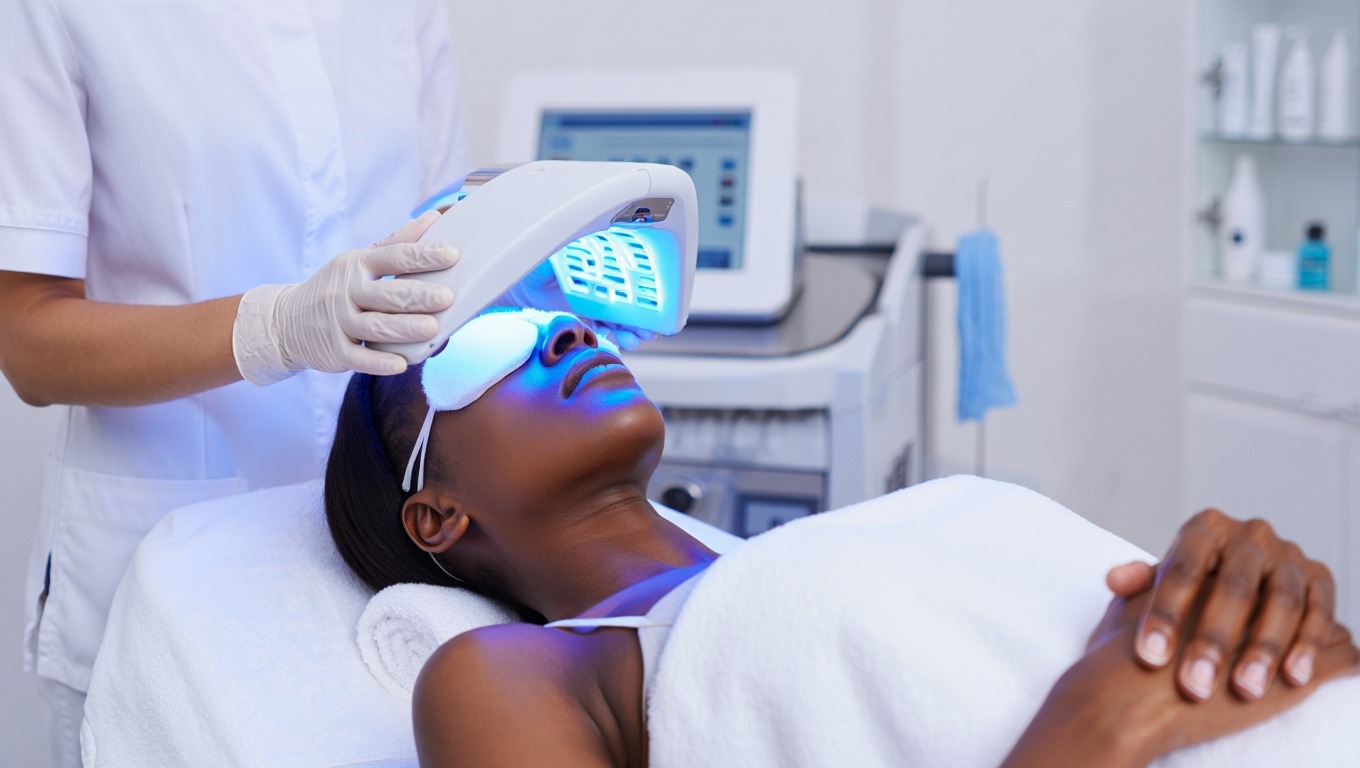

When over-the-counter products and basic routines aren’t enough, advanced acne treatments can make a dramatic difference. These therapies are designed for stubborn, persistent, or severe acne that doesn’t respond to standard care. Thanks to medical innovation, today’s options are safer, more customisable, and more effective than ever. They can target the underlying causes of breakouts, reduce inflammation, and improve skin texture while also preventing future flare-ups.
Laser Therapy for Oil Control and Bacteria Reduction
Laser therapy is a popular in-office option that uses focused light energy to shrink overactive oil glands and destroy acne-causing bacteria. This not only reduces active breakouts but also decreases future flare-ups. Some lasers also stimulate collagen, helping soften shallow scars over time.
Chemical Peels to Unclog Pores and Fade Scars
Professional chemical peels with glycolic or salicylic acid penetrate deeply to exfoliate clogged pores, reduce blackheads, and improve overall tone. Regular sessions can fade post-inflammatory hyperpigmentation and superficial scars, making the skin look clearer and smoother.
Blue and Red Light Therapy to Calm Inflammation
Non-invasive light therapy uses specific wavelengths to address acne at its source. Blue light kills acne-causing bacteria, while red light calms redness and swelling. This combination can be ideal for people who prefer a gentle, no-downtime approach.
Prescription Oral Medications for Severe or Cystic Acne
For stubborn or widespread breakouts, dermatologists may prescribe oral medications such as isotretinoin, spironolactone, or short courses of oral antibiotics. These treatments work internally to regulate hormones, reduce oil production, and decrease bacterial overgrowth. They are typically reserved for moderate to severe cases and require close medical supervision.
Combining Professional Care with a Home Routine
These advanced therapies achieve the best results when paired with a consistent at-home routine of gentle cleansing, non-comedogenic products, and sun protection. Always consult a qualified dermatologist or skincare professional to determine which combination of treatments suits your skin type, severity of acne, and long-term goals.
Acne Scar Removal and Fading Hyperpigmentation
Even after active breakouts clear, many people are left with visible reminders—indented scars, raised bumps, or lingering dark spots. These marks can feel as frustrating as acne itself. Fortunately, a range of professional procedures and at-home treatments can significantly improve skin texture and tone over time. Knowing your scar type and selecting the right approach are essential to achieving the best results.
Step 1: Identify the Type of Acne Scars You Have
Different scars respond to different treatments. Common types include:
- Atrophic (depressed) scars: Ice-pick, boxcar, or rolling scars caused by tissue loss.
- Hypertrophic or keloid scars: Raised, thicker areas of excess collagen.
- Post-inflammatory hyperpigmentation (PIH): Dark spots or patches left after pimples heal.
Understanding which category your marks fall into will help you choose appropriate therapies and set realistic expectations.
Step 2: At-Home Scar Treatment Options
For mild scarring or discolouration, consistent topical care can make a visible difference:
- Topical retinoids to stimulate collagen and smooth uneven texture.
- Vitamin C serums to brighten skin and fade dark spots.
- Niacinamide or azelaic acid to calm inflammation and lighten PIH.
- Daily broad-spectrum sunscreen to prevent hyperpigmentation from worsening.
These science-backed ingredients work gradually, so patience and consistency are crucial.
Step 3: Professional Procedures for Moderate to Severe Scars
Deeper or more persistent scars often need in-office treatments from a qualified dermatologist:
- Chemical peels to resurface and improve tone.
- Microneedling or radiofrequency microneedling to boost collagen and smooth indentations.
- Fractional laser therapy for stubborn atrophic scars.
- Dermal fillers or subcision for rolling scars to lift depressed areas.
- Steroid injections for raised hypertrophic scars.
These advanced methods can be combined for better results, but they require expert evaluation and multiple sessions.
Step 4: Combine Patience with Prevention
While treating scars, continue your acne prevention routine to avoid new breakouts that can lead to more marks. Support healing with a healthy lifestyle, gentle skincare, and sun protection. Over time, the combination of targeted at-home products, professional procedures, and barrier care can dramatically improve the look and feel of your skin.
Lifestyle Habits for Long-Term Clear Skin
Healthy skin isn’t just about what you put on it—it reflects your overall lifestyle. While skincare routines and advanced acne treatments are crucial, incorporating daily habits that support your skin from the inside out is equally important. Consistent, mindful practices can reduce inflammation, prevent new breakouts, and enhance the effectiveness of topical products, ultimately helping you achieve and maintain clearer, healthier skin over time.
Key Lifestyle Factors That Support Acne Prevention
- Diet plays a central role in skin health. Eating a balanced diet for clear skin—rich in vegetables, fruits, lean proteins, and whole grains—can help regulate hormones and reduce inflammation. Limiting high-glycemic foods, processed sugars, and certain dairy products may prevent flare-ups for people prone to diet-related acne. Staying hydrated is also essential, as water helps maintain skin elasticity and assists in flushing out toxins.
- Stress management is another critical factor. High stress levels increase cortisol production, which can trigger hormonal acne. Incorporate stress-reducing activities such as yoga, meditation, deep breathing exercises, or regular walks to calm both mind and body. Over time, these practices can reduce the frequency and severity of breakouts.
- Sleep and rest significantly influence skin repair. During sleep, your body produces growth hormones that facilitate tissue repair and collagen production. Aim for seven to eight hours of quality sleep per night to allow your skin to regenerate and maintain a healthy barrier function.
- Exercise promotes circulation, which delivers oxygen and nutrients to the skin while helping reduce stress. However, it’s important to cleanse the skin soon after workouts to remove sweat and prevent clogged pores.
- Finally, sun protection is essential for long-term skin health. Daily use of a broad-spectrum sunscreen protects against UV damage, prevents darkening of acne scars, and helps maintain overall skin tone.
By consistently following these lifestyle habits alongside a targeted acne prevention routine, you create a strong foundation for clear, resilient skin. Combining proper nutrition, stress management, exercise, sleep, and sun protection not only supports your current skin health but also prevents future flare-ups, ensuring long-term results.
Conclusion: Your Personalised Path to Clear Skin
Achieving clear, healthy skin is a journey that combines consistent care, lifestyle adjustments, and, when needed, professional guidance. By understanding the root causes of acne and implementing a tailored routine—including acne prevention, breakout management, and scar treatment options—you can significantly reduce flare-ups and improve skin texture. Advanced treatments like laser therapy, chemical peels, and prescription medications complement a strong at-home regimen, while lifestyle habits such as balanced nutrition, stress management, adequate sleep, and sun protection support long-term results. Patience and consistency are key. With the right combination of science-backed skincare and daily habits, you can regain confidence, prevent future breakouts, and maintain smoother, healthier, and more radiant skin over time.